 0 comments
Arrabona EGTC
 0 comments
Arrabona EGTC
 0 comments
Arrabona EGTC
 0 comments
Arrabona EGTC

 Arrabona EGTC
 2019. August 29.
Have you ever taken a selfie with a statue of a potato beetle or fountain made of soda water bottles? Pose with unique, interesting pieces of public artwork that give you a glimpse into the past. Seek out the Szigetköz commercial railways memorial built in memory of the largely forgotten local company, visit one of the former ports, and while your there taste grandmother’s fresh baked bread. And of course, do not forget to take lots of photos.
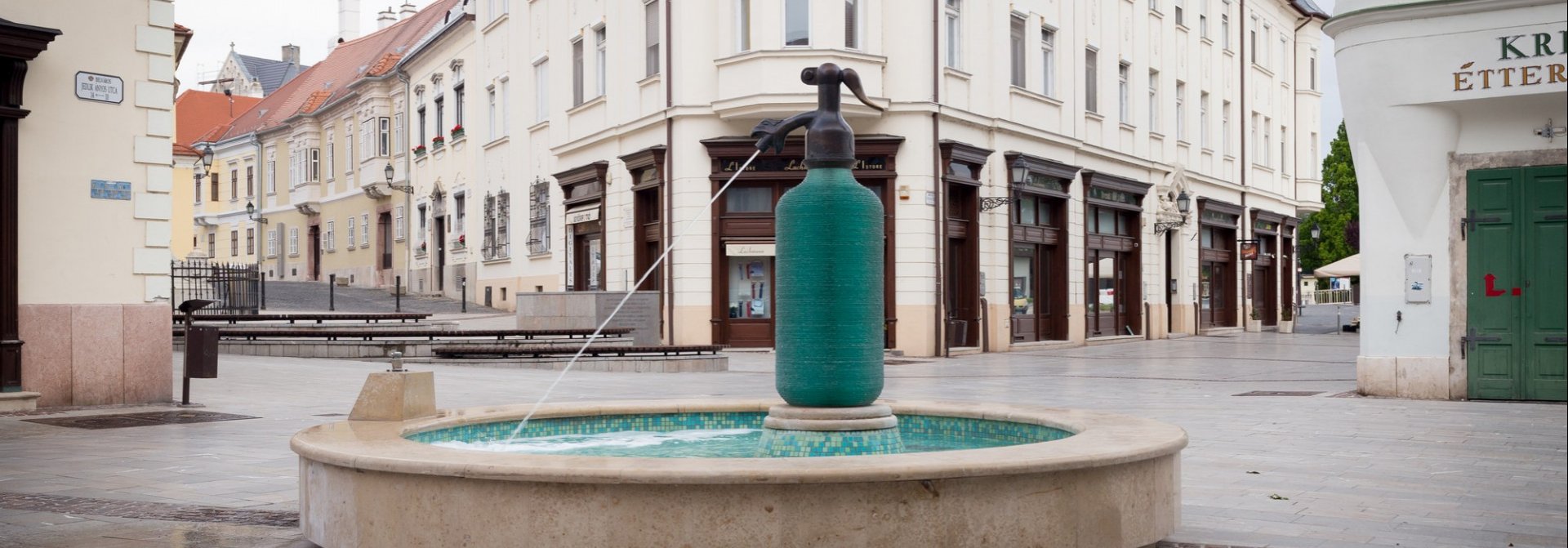
One of the newest ornamental fountains in downtown Győr, the 365 kg soda siphon was created by glass-maker László Hefter of Győr. Apart from the discovery of the dynamo principle, Ányos Jedlik is also credited with the basics of carbonated water production. The fountain is a testament to this discovery.
Forrás és további információ:
https://www.kozterkep.hu/~/18999/Jedlik_csobogo_Gyor_2011.html
The C50 type diesel engine and the wagon show a slice of the economic history of the Szigetköz. Until it permanently ceased in 1969, it carried produce from the fields of Szigetköz to nearby larger railway stations.
Forrás és további információ:
http://www.dunaszeg.hu/post/show/950/kisvasuti_emlekhely
To the left of the entrance of the central bakery plant of the Lipóti Bakery, a nation-wide company, there is a statue of the breaking of bread. The central figure is an older rural woman wearing a headscarf.
Among the most important and famous establishments in the town of Lipót is the Lipóti Bakery established in 1992, which is a nationwide chain today. The central bakery plant still operates out of the center of Lipót. In the summer, we can see a carved wooden statue left of the plant’s entrance, this work of art depicts the breaking of (Lipóti) bread. During the other seasons, it can be seen by the ground floor entrance of the visitors' center. The central figure is a rural woman wearing a headscarf. In her left hand, she is holding a round loaf of bread and in her right, she has a knife with which she is about to cut the bread.
Forrás és további információ:
https://www.kozterkep.hu/~/31878/Kenyerszego_asszony_Lipot.html
The memorial honors the Danube sailors who had once served here. The original engraved stone can also be seen bearing the words: 'Dedicated on May 4, 1933, in God's name, for the people of the Szigetköz.' At present, the statue of the Danube Sailor, a memorial park, the famous Dunaremete floodmark, and campground await visitors.
Forrás és további információ:
http://www.dunaremete.hu/
A Szigetköz turisztikai és környezeti nevelési értékleltára 2014.
The bronze statue commemorates the fact that the first Hungarian sighting of the potato beetle, an insect that destroys the leaves of the potato plant, was in Hédervár in 1947. The plaque by the only statue in the country depicting a bug emphasizes that the artwork does not honor the pest, but rather the beginning of the organized protection of plants and crops which dates back to around the time when the potato beetle was discovered.
Forrás és további információ:
http://fhnp.nemzetipark.gov.hu/_user/browser/File/A%20SZIGETK%C3%96Z%20%C3%89RT%C3%89KLELT%C3%81RA.pdf
https://www.kozterkep.hu/~/14699/kolorado_bogar_szobor_hedervar_maraszi_manuella_1997.html
A javasolt megközelítés nem feltétlenül veszi figyelembe az aktuális forgalmirend változásokat.
| Difficulty: | Medium |
| Evaluation: |
|
| Distance: | 67 km  |
| Duration: | 04:29:02  |
| Ascent: | 266 m |
| Descent: | 16 m |
| Refreshing point: | Nincs |
| Level difference: | 16m |
| Created: | 2019.10.04 |
| Number of appearance: | 7069 |
| Number of viewing: | 14686 |
Healing waters, healing herbs
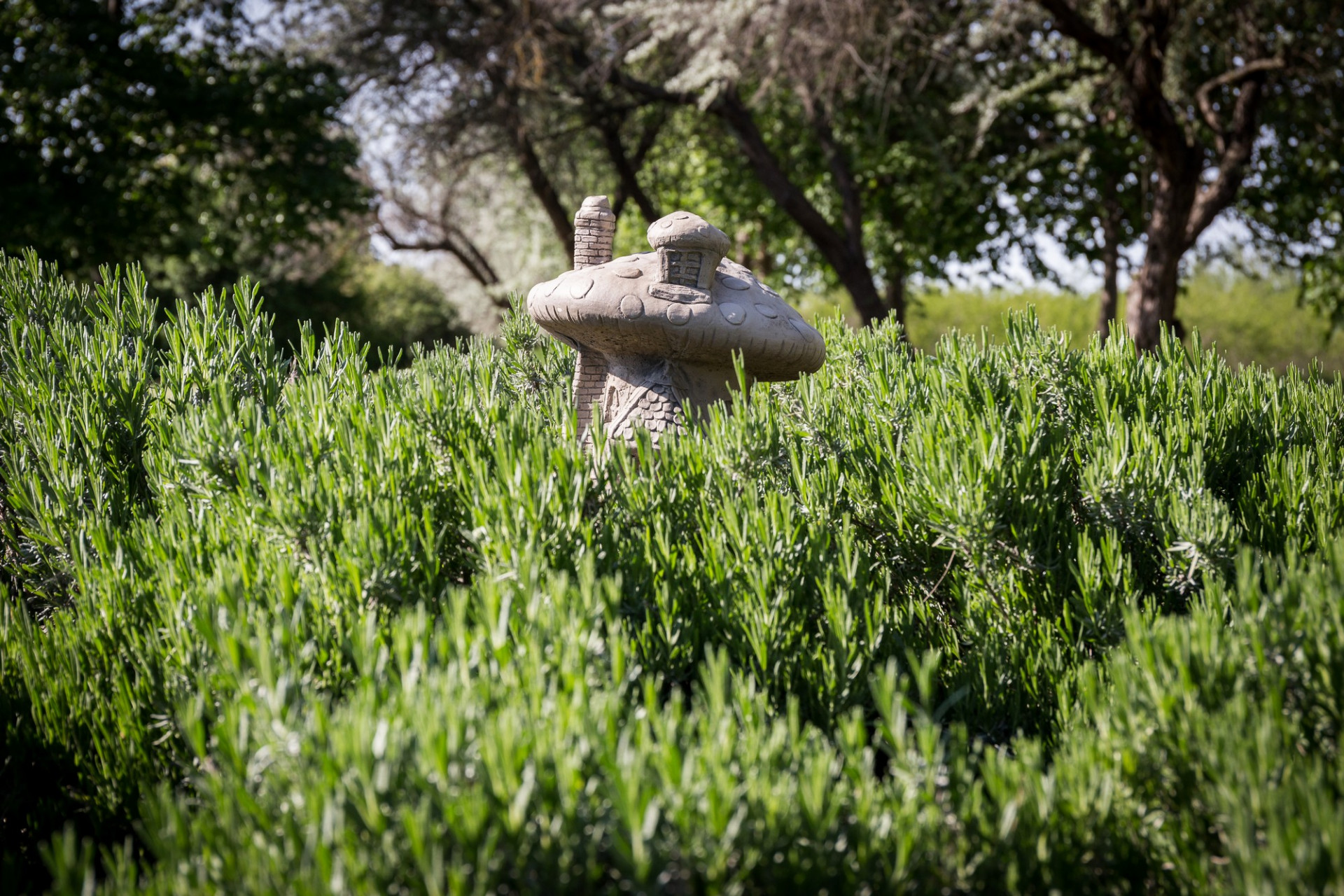
“Medicine can be found in the grasses and trees” according to the old proverb. The more health conscious among us today are beginning to subscribe to this notion again and we are applying natural treasures to maintain a sense of well-being, to prevent or even treat illnesses. During our tour, we will be accompanied by fellow travelers such as healing waters, green wizards and flower doctors, all of “whom” we recommend you use in your everyday life.
On the trail of the Romans - Ripa Pannonica
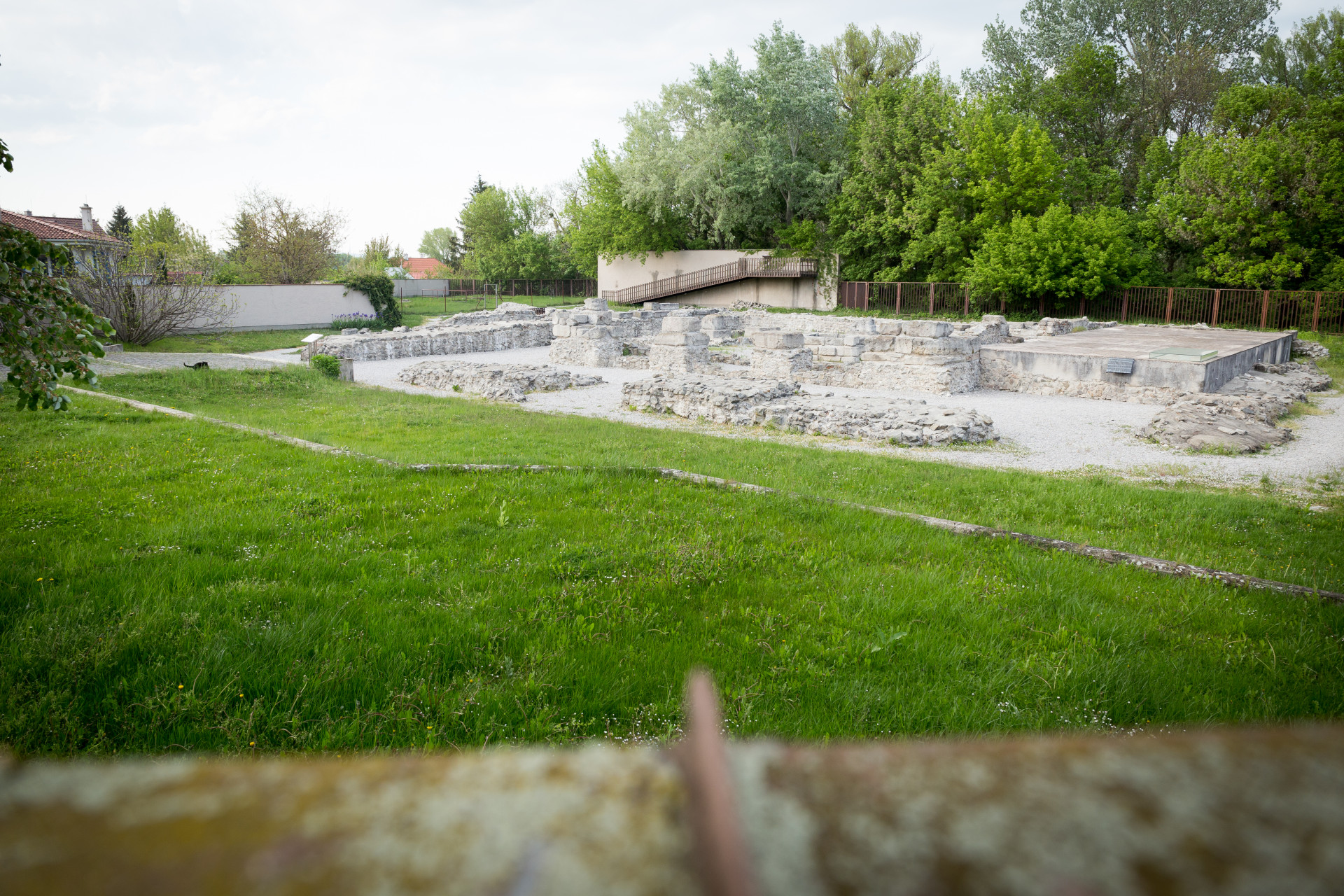
From Britain to Mesopotamia, the Roman Empire conquered the entirety of the Mediterranean coastal regions and at its peak, controlled a 6 000 000 km stretch of dry land. Defending such an expansive empire that was also very diverse geographically and culturally was only possible under very organized conditions. The several thousand kilometer long Limes (Latin: “path”) served this purpose, the borderline traversing thousands of kilometers across mountains and valleys, winding along the river lines was given the name “ripa.” The section of Roman limes along the Danube in Hungary bears the name Ripa Pannonica. Visit each of the municipalities where the remnants of the limes can be seen. And while you're on the tour, do not forget that you are at a potential World Heritage sight, as this section of the limes is among the Hungarian sights on the UNESCO world heritage tentative list.