 0 comments
Arrabona EGTC
 0 comments
Arrabona EGTC
 0 comments
Arrabona EGTC

 Arrabona EGTC
 2019. August 29.
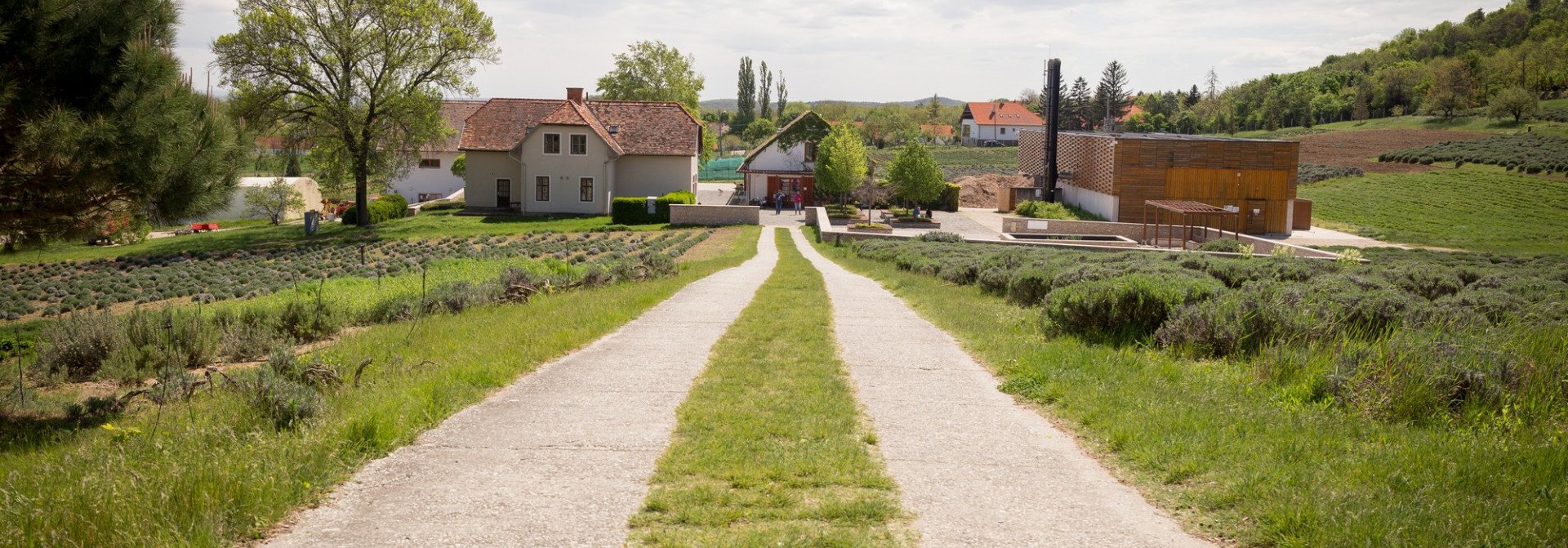
This tour can be completed as an afternoon program during which we will pass by the beautiful Lavender Park of Pannonhalma.
A javasolt megközelítés nem feltétlenül veszi figyelembe az aktuális forgalmirend változásokat.
| Difficulty: | Easy |
| Evaluation: |
|
| Distance: | 3 km  |
| Duration: | 00:12:06  |
| Ascent: | 134 m |
| Descent: | 120 m |
| Refreshing point: | Nincs |
| Level difference: | 120m |
| Created: | 2019.10.04 |
| Number of appearance: | 6952 |
| Number of viewing: | 15603 |
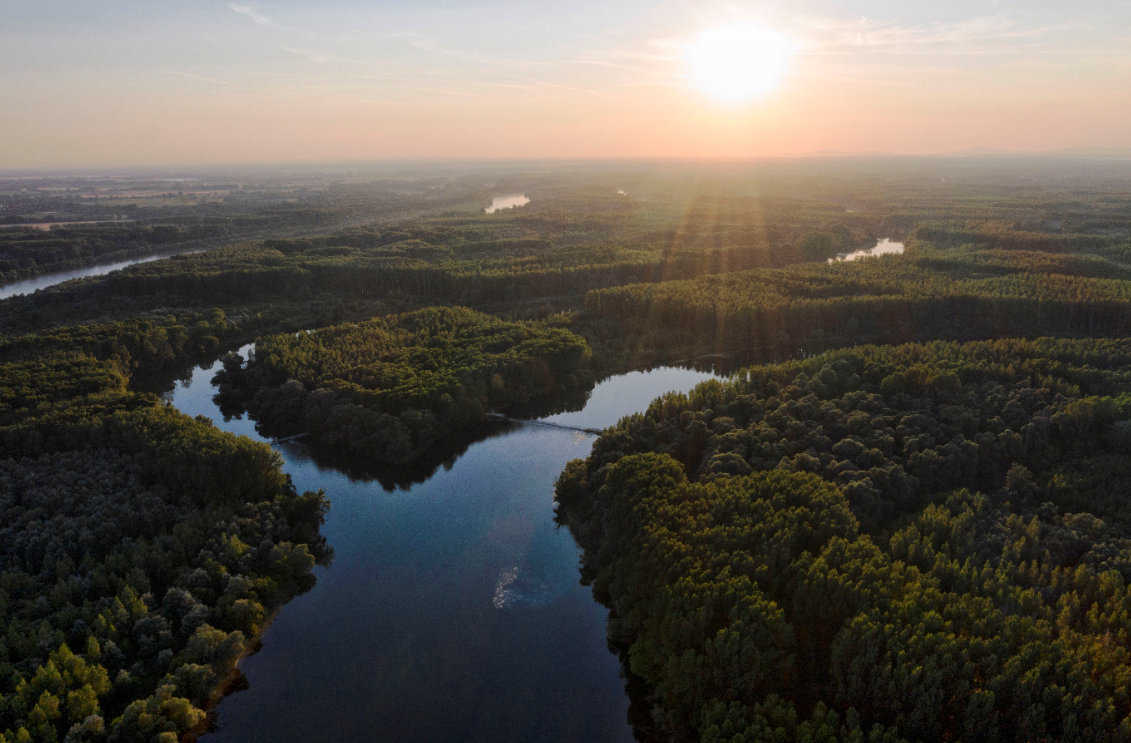
Along the Danube by bike
Anyone who regularly searches for tours on the website may come across headlines that are not clear, and the type of the tour is not obvious at first sight. In this case, however, the name of the bike tour clearly reveals what the tourists who choose this route can expect. Using the bike path along the Danube, we invite you to take the 64 km long cycle tour, where the untouched “European rainforests” and the man-made Danube landscape are alternating. The route starts and ends in the village of Hamuliakovo (Gútor), so you do not need to worry about getting back to your car.
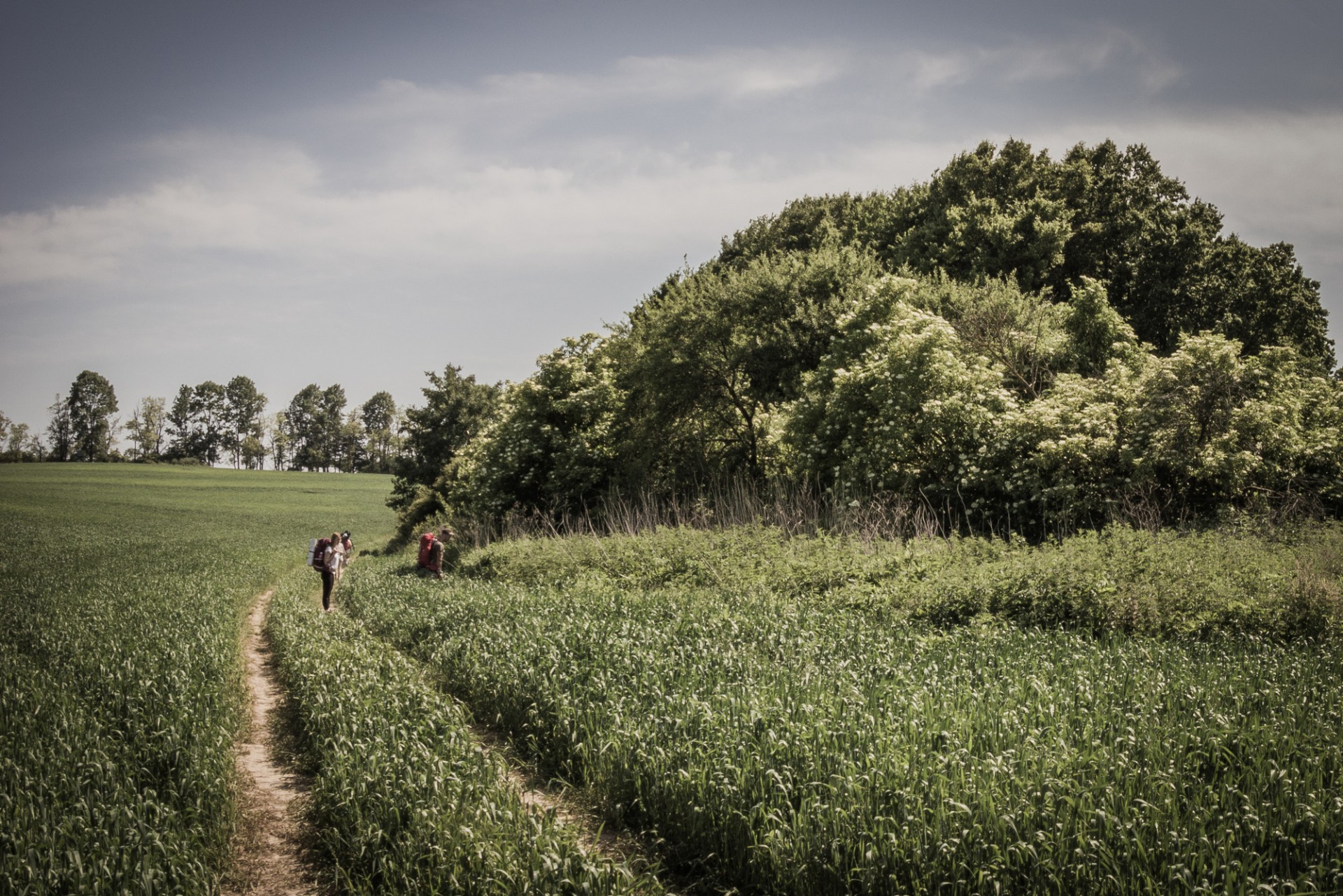
Lázi-Bakonygyirót – red
During this tour we will have the opportunity to bike around the edges of the Bakony. This is a short distance tour and easy to complete for anyone.