 0 comments
Arrabona EGTC
 0 comments
Arrabona EGTC
 0 comments
Arrabona EGTC
 0 comments
Arrabona EGTC

 Arrabona EGTC
 2019. August 29.
The thousand year old monastery in Pannonhalma exudes a sense of spiritual peace, the living tradition of Kunsziget is unique in Hungary, the Romanesque work of architecture in Lébény and other pilgrimage sights. Sacral monuments all over the Győr region. It 's enough to make the pilgrimage to these sights, have a seat on a bench and simply enjoy the silence and harmony that surrounds you. We will show you the best places to experience this spiritual refreshment.
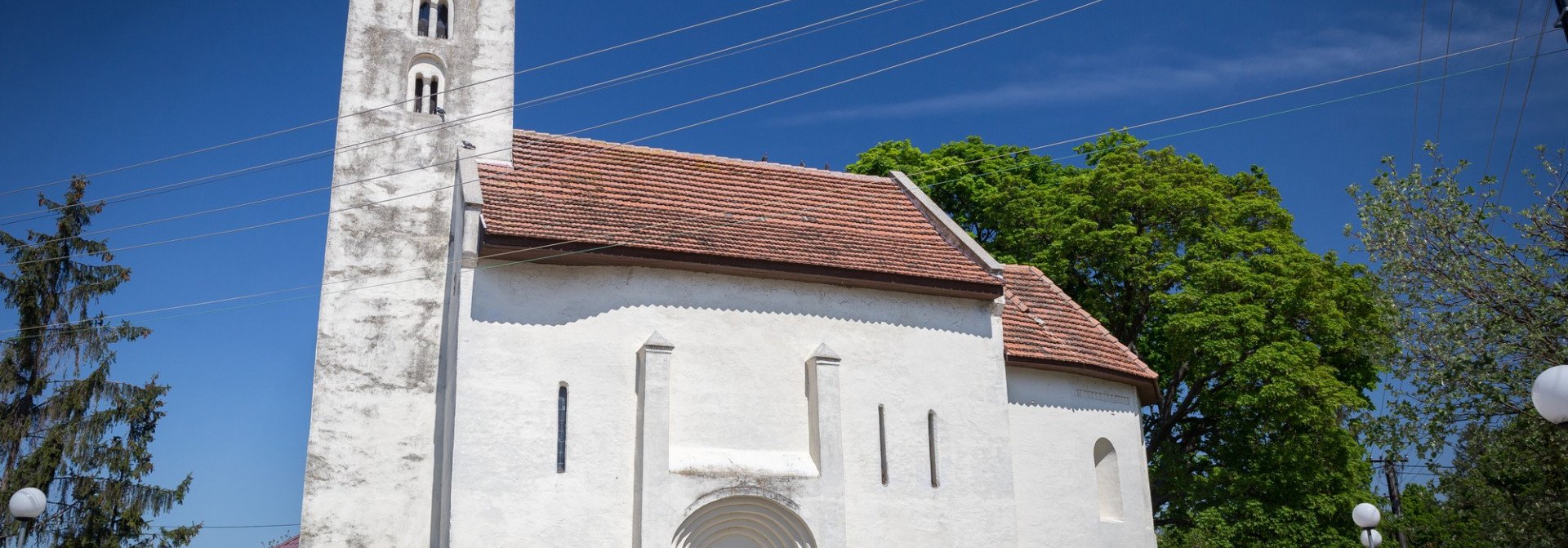
The Romanesque parish church was likely built in the 1260s. The 15th century Saint Laslo depiction on the northern wall is unique. The crooked cone-shaped towers are ornamented with Gothic turrets.
The images excavated from the sanctum and the northern wall of the aisle in 1979-81, which were later restored, date back to the turn of the 13-14th century, the end of the 14th century and the 15th century. The unique northern wall includes a 15th-century depiction of Saint Laslo. Its crooked cone-shaped tower is decorated by Gothic turrets. The tower slants due to the Danube's flooding.
Forrás és további információ:
http://muemlekem.hu/hatareset/Romai-katolikus-templom-Gutor-103
https://obechamuliakovo.sk/
One of the oldest and most beautiful Gothic churches in the Csallóköz. Near the church, foundations of charnels from the 12-13th were excavated.
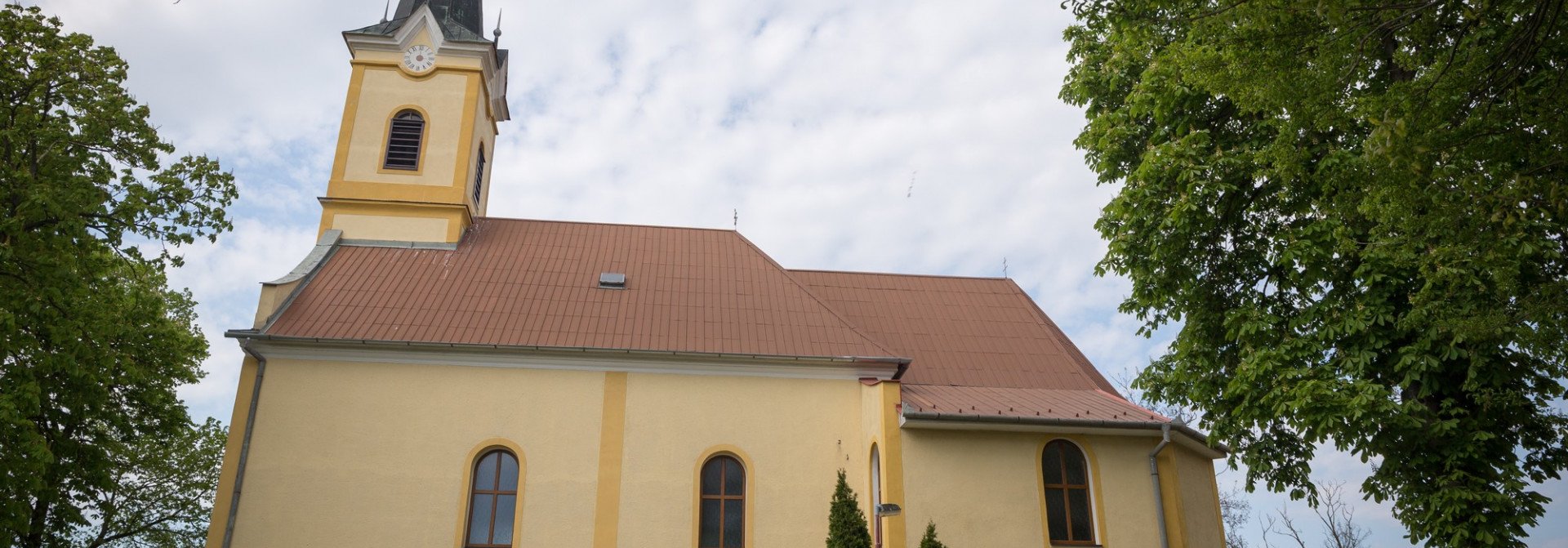
The church was built in the third quarter if the 13th century in late Romanesque style. It is likely that the church also functioned as a local fortification and in order to fulfill this role, side aisles and a tower were added to it allowing occupants to better see the approaching enemy as well as the threat of fire and flood. During the course of the centuries, the church was reconstructed several times. It was renovated in Gothic style in the 15th century, its frescoes date back to this time. At the end of the 18th century, it became a Reformed church when the new complex was built. The foundations of charnels from the 12-13th century were excavated near the church.
Forrás és további információ:
http://srek.sk/a-templom/
http://samorin.sk/hu/helytorteneti-muemlekek/
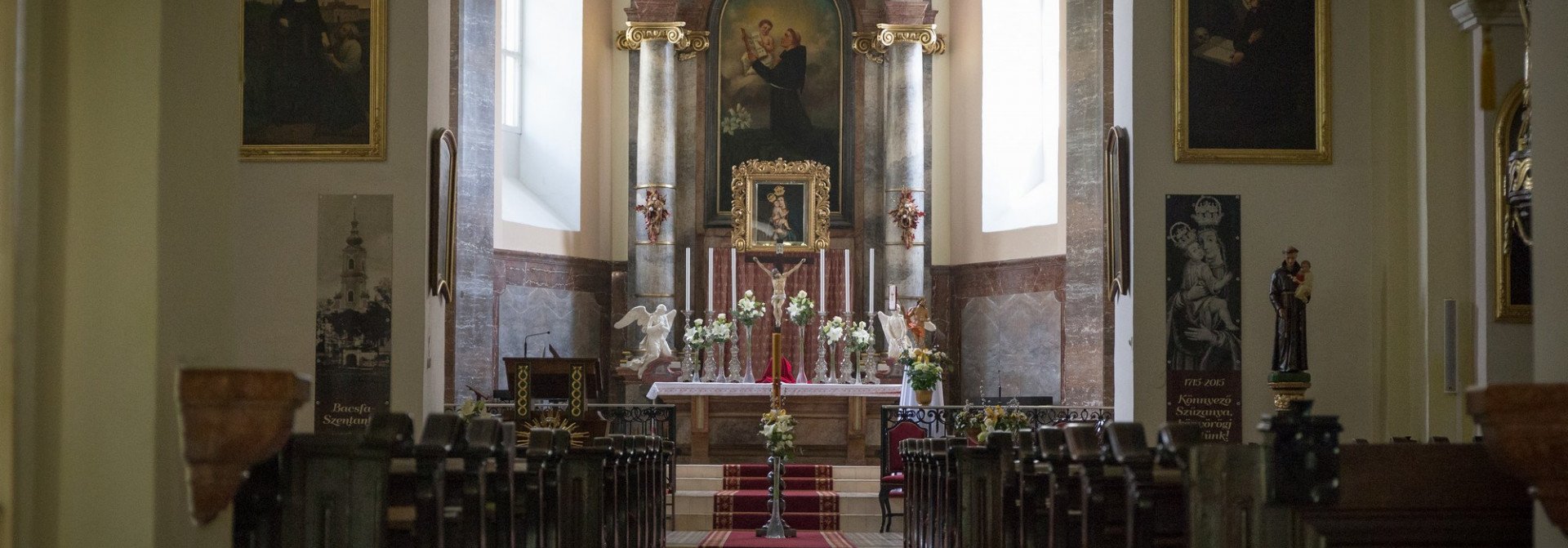
The Franciscan Church dedicated to St. Anthony of Padua was built in 1677. On its altar stood the devotional picture of the Blessed Virgin Mary who wept blood, painted by Márton Liszkay, a young man from Doborgaz, out of gratitude for his healing in 1705. Between 19th June and 23rd June 1715, the devotional picture cried four times. Since then, it has been a pilgrimage site for the people of Csallóköz. Today, on the anniversary of the shedding of tears and the Nativity of Mary, many pilgrims visit this place of worship.
Source and additional information:
The beatified László Batthyány-Strattmann spent his childhood summers in Felbár. A plaque on the church's wall honors the 'doctor of the poor,' his relic can be found inside the church.
The Roman Catholic Church was built in 1778 in Baroque-Classicist style from the elements of and the on the site of an ancient Gothic place of worship. The relic of the Beatified László Batthyány-Strattmann, the physician of the poor, can be found here (a small splinter of bone from his right hand). The doctor had spent the summers of his childhood in the municipality after the Felbár Castle became the property of the family in 1882. The faithful can request the intercession of the Beatified prince in front of the relic on the Joseph Altar.
Forrás és további információ:
https://www.hornybar.sk/felbar-kozseg/templom/
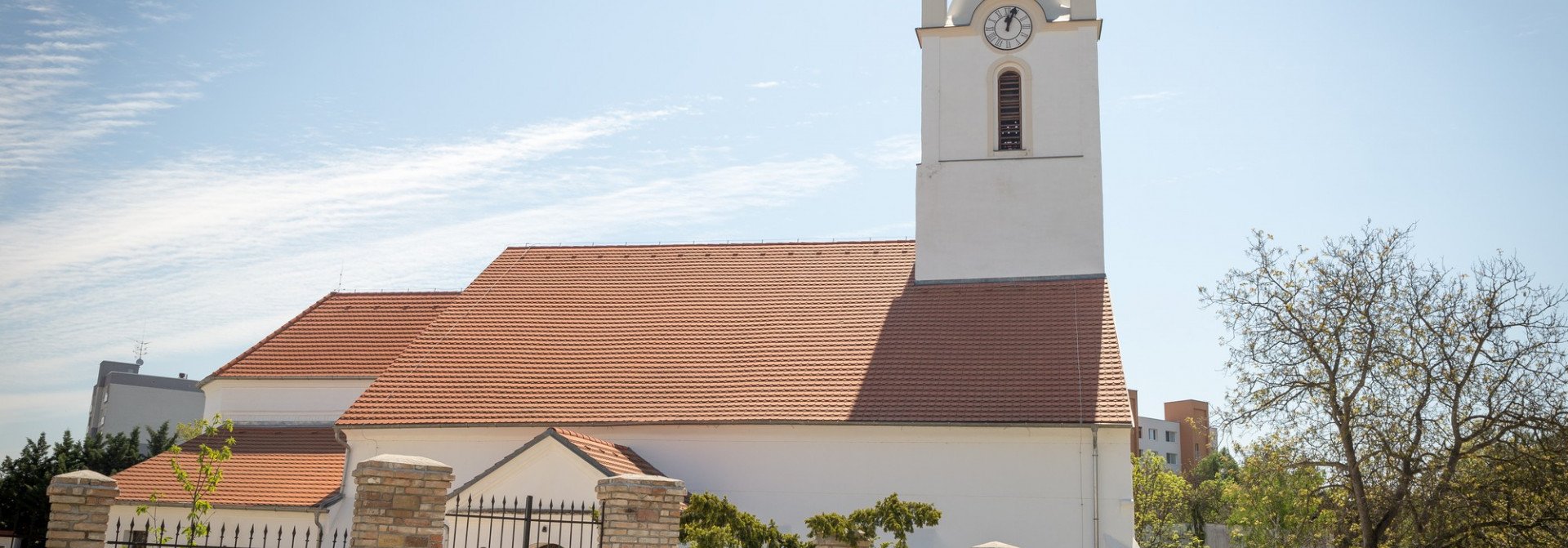
Roman Catholic Church dedicated to the Assumption of the Virgin Mary, built using part of the former church built in 1778 in neoclassical style . It received its present form during its reconstruction in 1927. The church is a place of pilgrimage.
Source and additional information:
A javasolt megközelítés nem feltétlenül veszi figyelembe az aktuális forgalmirend változásokat.
| Difficulty: | Easy |
| Evaluation: |
|
| Distance: | 33 km  |
| Duration: | 02:10:02  |
| Ascent: | 92 m |
| Descent: | 15 m |
| Refreshing point: | Nincs |
| Level difference: | 15m |
| Created: | 2019.10.04 |
| Number of appearance: | 6722 |
| Number of viewing: | 13956 |
The Ravazd Forest fork – green
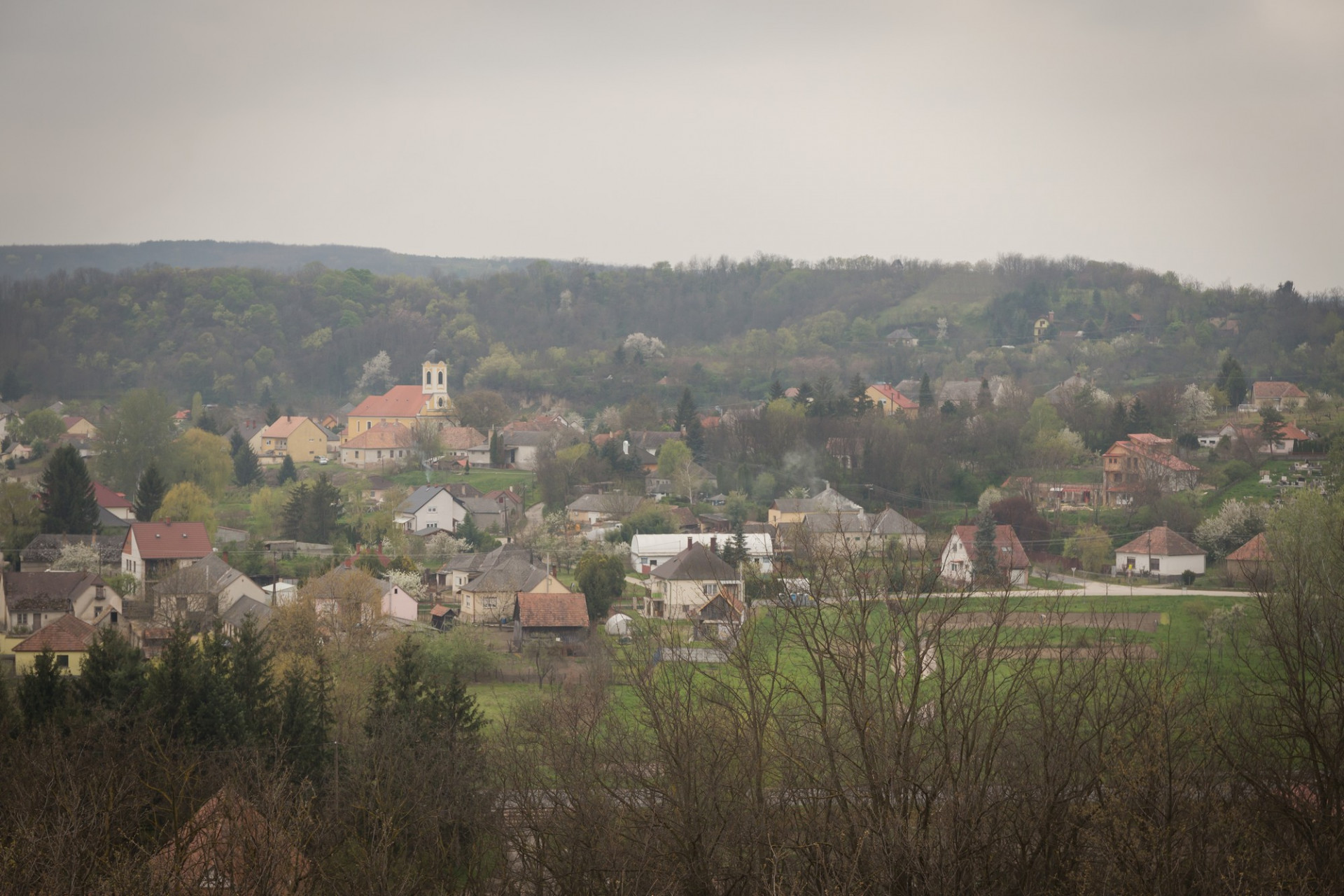
An easy tour through the woods suitable for all ages in the Ravazdi Forestry. There are plenty of sights to see while wandering through the town, the well of Béla IV is an ideal place to stop and rest. According to the tale, the king and his armies stopped to rest by the spring and drink from its waters when they were fleeing from the Tatars.
Forts and castles II.
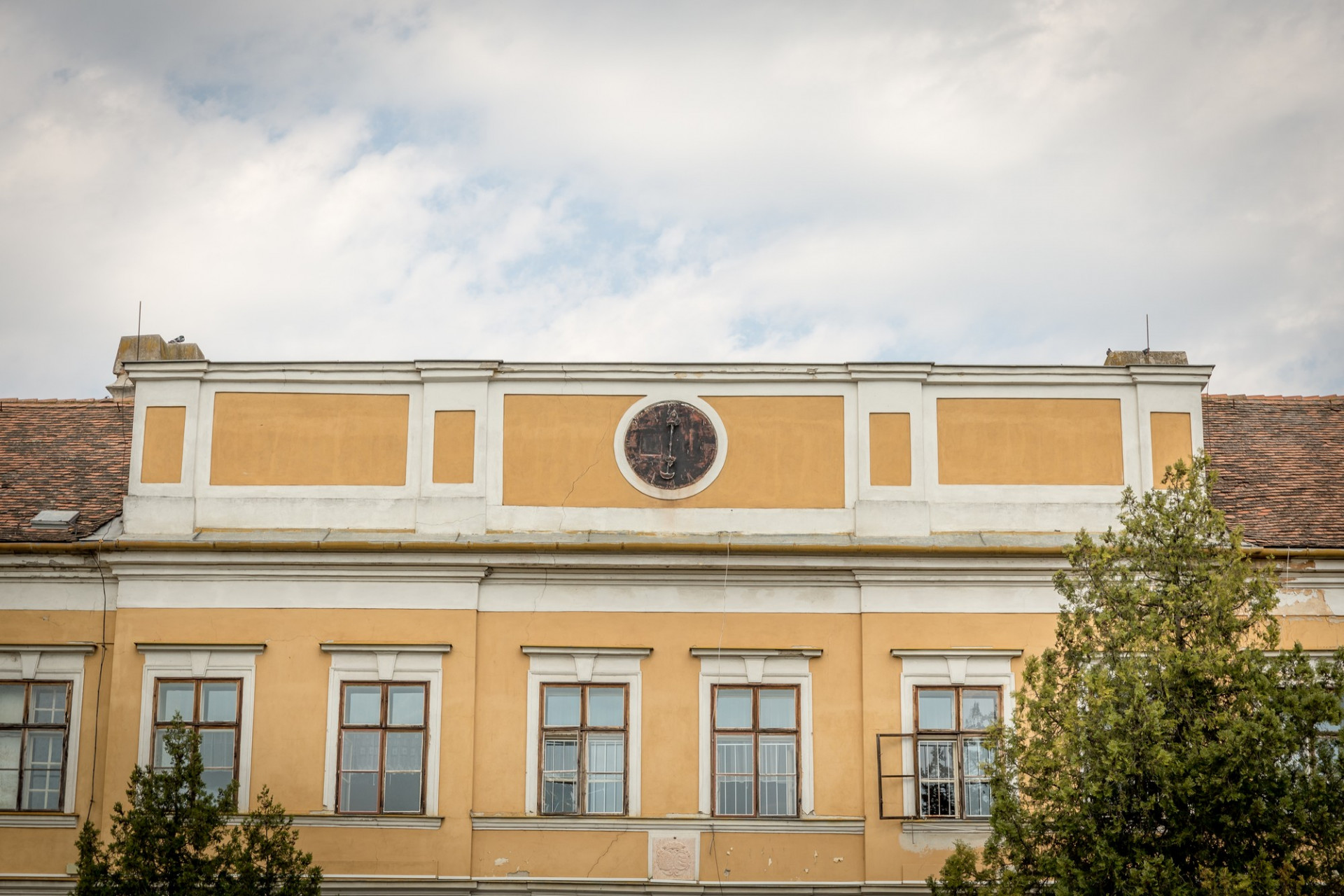
Who, when they were a child, did not dream of being a powerful lord or lady of a grand castle? Though it cannot make your dreams come true, you can enjoy a historic atmosphere among forts and castles built in different eras and with a little imagination, you can see yourself among knights and ladies on this tour.